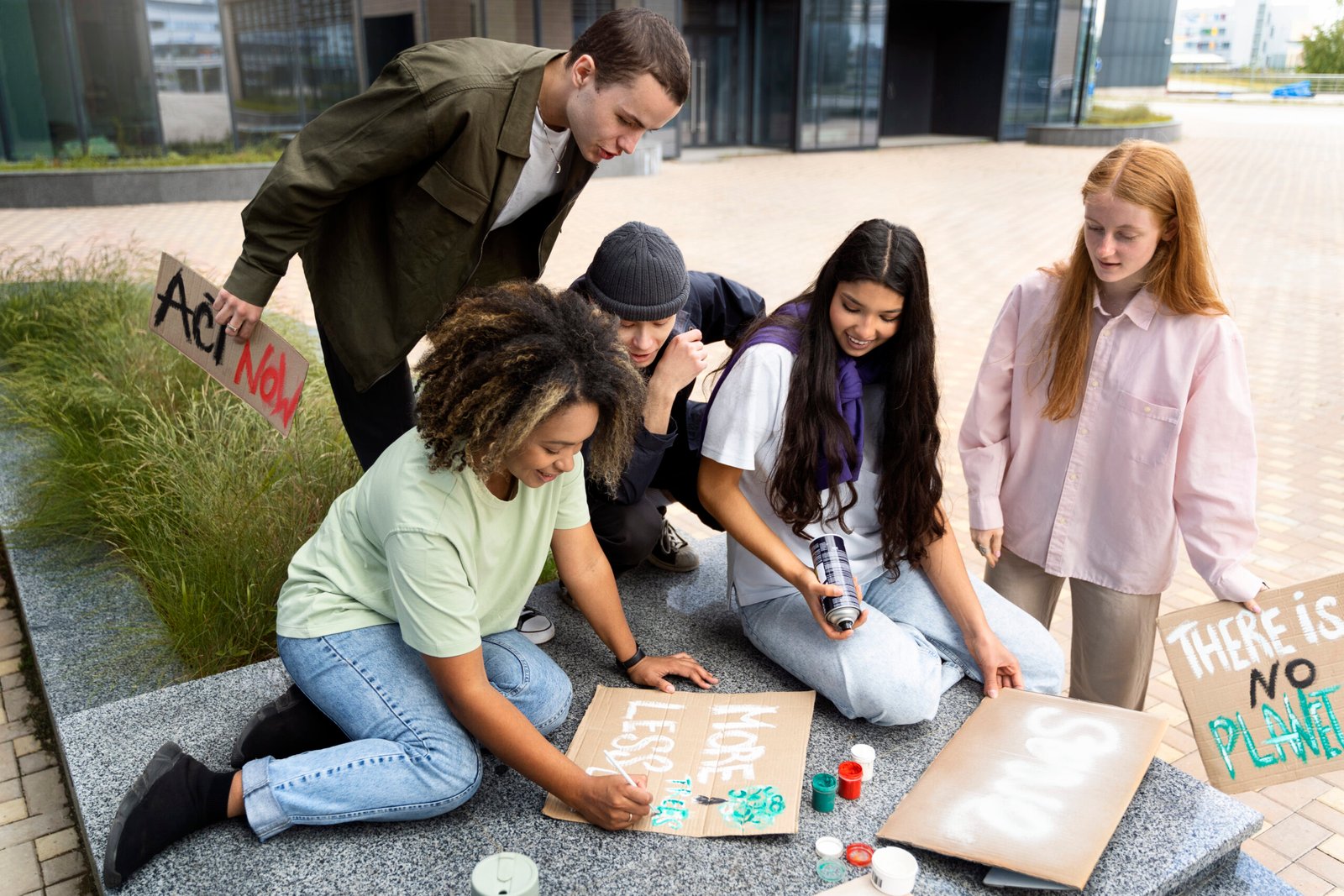
Education as a culture refers to the way learning, knowledge, values, beliefs, traditions, and social practices shape individuals and communities. Education is not limited to classrooms, textbooks, or examinations. It is also a cultural process through which people learn how to communicate, respect others, understand their history, and participate in society.
Every society has its own educational traditions and expectations. Some cultures emphasize academic achievement and discipline, while others place greater importance on practical skills, family knowledge, community participation, or traditional values. These differences influence how children learn, how teachers teach, and how communities define success.
Understanding education as a culture helps explain why learning is influenced by more than schools. Families, languages, religious and community traditions, media, and social environments all contribute to the educational experiences of individuals.
What Does Education as a Culture Mean?
Education as a culture means viewing education as a part of society’s shared beliefs, customs, values, and ways of life. It includes both formal education and informal learning that takes place outside educational institutions.
Formal education happens in schools, colleges, universities, and training centers. Informal education occurs when people learn from parents, relatives, friends, community members, and everyday experiences.
For example, a child may learn mathematics in school, but the same child may learn respect, cooperation, communication, and responsibility at home. Both experiences contribute to personal development.
Key Features of Education as a Culture
- Values and beliefs: Education passes important social values from one generation to another.
- Language and communication: People learn their language, communication styles, and cultural expressions.
- Traditions and customs: Schools and families help preserve cultural practices and historical knowledge.
- Social behavior: Education teaches cooperation, responsibility, respect, and participation.
- Knowledge sharing: Communities transfer knowledge through teaching, storytelling, practice, and observation.
- Personal development: Learning influences how people think, make decisions, and understand the world.
Education therefore plays a major role in maintaining cultural identity while also helping societies adapt to change.
The Relationship Between Education and Culture
Education and culture are closely connected. Culture influences what people learn, how they learn, and which subjects a society considers important. Education, in turn, can preserve cultural traditions or introduce new ideas that gradually change society.
For example, a community that values environmental conservation may include lessons about natural resources, local ecosystems, and sustainable practices. A community with a strong artistic tradition may encourage music, dance, painting, storytelling, or traditional crafts.
Education can also challenge cultural practices when they conflict with equality, human rights, or scientific understanding. In this way, education does not simply preserve culture; it can also help people evaluate and improve it.
How Culture Influences Education

Culture affects education in several ways:
- Curriculum: Cultural history, language, literature, and traditions may influence what schools teach.
- Teaching methods: Some educational environments emphasize discussion, while others emphasize direct instruction or memorization.
- Family expectations: Parents and relatives may influence students’ educational goals and career choices.
- Classroom behavior: Cultural expectations can shape how students communicate with teachers and classmates.
- Ideas about success: Different communities may define educational success through academic results, professional qualifications, practical skills, or service to society.
These influences are not identical for everyone within a culture. Individuals and families may have different beliefs, and cultural practices change over time.
The Role of Family in Educational Culture
Families are among the first and most influential learning environments. Before children enter school, they begin learning language, behavior, social expectations, and everyday skills through their interactions with family members.
Parents and caregivers influence children’s attitudes toward education through their encouragement, routines, expectations, and personal examples.
Teaching Values at Home
Children often learn important values through everyday activities. These may include honesty, kindness, patience, responsibility, respect for others, and cooperation.
For example, when family members encourage children to ask questions, read regularly, and complete tasks independently, they help establish habits that support lifelong learning.
Passing Knowledge Between Generations
Families also transmit cultural knowledge, including traditional recipes, local history, family stories, crafts, music, and community customs.
This learning is particularly important because some cultural knowledge is passed down through practice and conversation rather than written materials.
However, family expectations can sometimes create pressure. A healthy educational culture encourages achievement while also respecting children’s interests, abilities, and individual needs.
Schools as Cultural Institutions
Schools are not only places where students learn academic subjects. They are also social institutions where children encounter different perspectives, build relationships, and learn how to participate in a wider community.
School rules, celebrations, classroom discussions, teaching materials, and interactions among students all contribute to educational culture.
Developing Social Skills
Schools help students develop communication, teamwork, conflict resolution, and problem-solving skills. Group projects, classroom discussions, sports, and extracurricular activities provide opportunities to practice these abilities.
Promoting Cultural Awareness
A culturally inclusive school introduces students to different histories, languages, traditions, and perspectives. This can reduce stereotypes and encourage mutual understanding.
Teachers can support inclusion by using examples from diverse communities, respecting students’ backgrounds, and ensuring that classroom materials represent a range of experiences.
Building a Positive Learning Environment
A strong educational culture encourages curiosity, fairness, and participation. Students should feel comfortable asking questions, making mistakes, and learning from feedback.
When students are treated with respect and given appropriate support, they are more likely to participate actively in learning.
Types of Educational Culture
Educational culture can take different forms depending on the community, institution, and learning environment.
| Type of educational culture | Main characteristics | Example |
|---|---|---|
| Family-based learning | Values, habits, and practical knowledge are passed between generations | Learning a language or family tradition at home |
| School-based culture | Shared rules, academic expectations, and classroom practices | Classroom discussions and group projects |
| Community-based learning | Knowledge is shared through community activities and local experience | Learning traditional crafts from skilled community members |
| Digital learning culture | Knowledge is exchanged through online resources and technology | Online courses and educational videos |
| Workplace learning culture | Skills and knowledge develop through professional practice | Training, mentoring, and teamwork |
These forms of learning often overlap. A student might learn a traditional craft from a relative, study its history at school, and use digital resources to develop the skill further.
Why Education as a Culture Is Important
Education as a culture matters because it influences how societies preserve knowledge, respond to challenges, and prepare future generations.
1. Preserving Cultural Identity
Education helps communities maintain their languages, histories, literature, arts, and traditions. Teaching local history and cultural practices can help students understand their roots and appreciate the experiences of earlier generations.
Preservation should not prevent cultural development. Traditions can remain meaningful while communities adapt them to contemporary life.
2. Encouraging Respect and Tolerance
Students who learn about different cultures may develop greater awareness of the experiences and perspectives of others.
Cultural education can encourage respectful dialogue and help people recognize that individuals may have different customs, languages, and beliefs.
3. Supporting Social Development
Education provides knowledge and skills that help people participate in community life. Literacy, critical thinking, communication, and problem-solving can support informed decision-making and social cooperation.
4. Promoting Equality
An inclusive educational culture aims to give learners meaningful opportunities regardless of their family income, gender, disability, language, or social background.
Schools can support equality by identifying barriers to learning, providing appropriate resources, and treating students fairly.
5. Encouraging Innovation
Education can introduce new technologies, scientific discoveries, and ways of thinking. When students combine cultural knowledge with new ideas, they can help communities solve problems and create new opportunities.
Education as a Culture in India
India provides many examples of the relationship between education and culture. Its diverse languages, regional traditions, art forms, histories, and community practices influence educational experiences across the country.
Schools and colleges may teach national history alongside regional literature, local languages, cultural festivals, and traditional knowledge. Families and communities also contribute to learning through storytelling, music, crafts, celebrations, and everyday social practices.
The Importance of Languages
Language is a central part of cultural identity. Learning a home language can help children communicate with family members and understand local traditions. Learning additional languages can expand educational and professional opportunities.
A supportive educational environment respects students’ linguistic backgrounds while helping them develop the language skills required for academic progress.
Traditional Knowledge and Modern Education
Traditional knowledge can include agriculture, textiles, handicrafts, architecture, medicine-related historical practices, music, and environmental understanding.
Such knowledge can be studied alongside modern academic subjects. It is important, however, to evaluate factual and health-related claims using reliable evidence rather than assuming that every traditional practice is scientifically established.
Cultural Diversity in the Classroom
Students in India may come from different linguistic, religious, regional, and economic backgrounds. Teachers can create inclusive classrooms by avoiding stereotypes, encouraging respectful discussion, and ensuring that students are not excluded because of their backgrounds.
A culturally responsive classroom recognizes diversity without assuming that every person from a particular community thinks or behaves in the same way.
The Role of Teachers in Shaping Educational Culture
Teachers influence educational culture through their teaching methods, classroom expectations, communication, and relationships with students.
A teacher who welcomes questions and encourages independent thinking helps create a culture of curiosity. A teacher who listens carefully and responds fairly can help students feel valued and supported.
Effective Teaching Practices
Teachers can strengthen educational culture by:
- Encouraging students to ask questions and explore ideas.
- Connecting academic subjects to students’ real-life experiences.
- Using examples from different cultural backgrounds.
- Promoting teamwork and respectful disagreement.
- Providing constructive feedback rather than relying only on grades.
- Supporting students who face language, learning, or accessibility barriers.
- Encouraging critical thinking and evidence-based reasoning.
Teachers do not need to abandon academic standards to be culturally inclusive. They can maintain clear learning goals while using approaches that help a wider range of students succeed.
Challenges in Building a Positive Educational Culture

Although education can preserve traditions and promote social progress, several challenges may affect the relationship between culture and learning.
Cultural Stereotypes
Stereotypes can lead educators to make unfair assumptions about students’ abilities, interests, or behavior. Schools should treat learners as individuals and avoid judging them solely by their cultural backgrounds.
Unequal Access to Education
Differences in family income, school resources, transportation, internet access, and learning support can affect educational opportunities.
A positive educational culture recognizes these barriers and works to provide fair access to quality learning.
Resistance to Change
Some educational environments may rely heavily on memorization or discourage students from questioning established ideas. Cultural traditions can be valuable, but education should also allow thoughtful discussion, critical analysis, and evidence-based learning.
Digital Distractions and Misinformation
Digital tools provide access to educational resources, but they can also expose learners to inaccurate information and distractions. Students need digital literacy skills to evaluate sources, protect their privacy, and use technology responsibly.
How to Build a Strong Educational Culture
A positive educational culture develops through cooperation among families, schools, communities, and institutions.
Practical ways to strengthen it include:
- Encourage reading: Make books, libraries, and age-appropriate reading resources accessible.
- Respect cultural diversity: Include different experiences and perspectives in learning activities.
- Support curiosity: Allow students to ask questions and explore topics in depth.
- Connect learning with life: Use real-world examples, projects, and practical activities.
- Promote lifelong learning: Encourage people to continue learning beyond school and college.
- Use technology responsibly: Teach digital literacy, source evaluation, and online safety.
- Work with families: Create opportunities for caregivers to participate in educational activities.
- Measure more than grades: Recognize progress in creativity, collaboration, communication, and problem-solving alongside academic achievement.
A strong educational culture combines respect for cultural heritage with openness to new knowledge and ideas.
Frequently Asked Questions
1. What does education as a culture mean?
Education as a culture means that learning is influenced by shared values, beliefs, traditions, languages, and social practices. It includes formal schooling as well as learning from families, communities, and everyday experiences.
2. How are education and culture connected?
Culture influences what people learn and how they learn, while education passes knowledge and traditions between generations. Education can also encourage people to examine existing beliefs and adapt to social change.
3. Why is cultural education important?
Cultural education helps preserve history and traditions, encourages respect for diversity, supports social understanding, and helps learners develop a stronger sense of identity.
4. What role does family play in educational culture?
Families teach children language, values, behavior, practical skills, and attitudes toward learning. They also pass on cultural knowledge through stories, traditions, and everyday activities.
5. How can schools promote a positive educational culture?
Schools can promote a positive culture by creating inclusive classrooms, encouraging curiosity, respecting different backgrounds, supporting equal opportunities, and helping students develop critical thinking and communication skills.