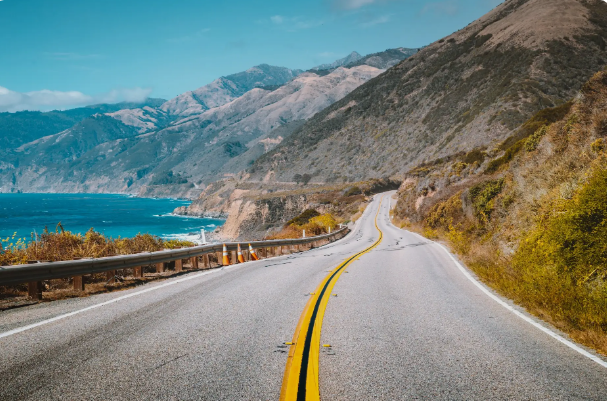
A road trip along the western coast of the United States offers an exciting combination of dramatic landscapes, coastal towns, major cities, national parks, beaches, forests, and scenic highways. A west coast road trip can be designed in many different ways, depending on how much time you have and what type of experience you want. You can focus on the Pacific coastline, combine major cities with outdoor destinations, or create a longer loop that includes mountains, deserts, and famous national parks.
The flexibility of a road trip is one of its biggest advantages. Instead of following a fixed tour schedule, you can decide where to stop, how long to stay, and which scenic routes deserve extra time. Good planning is still important, however, because distances can be substantial and some roads or attractions may be affected by seasonal conditions.
Choosing Your West Coast Route
The first decision is deciding how much of the coast you want to cover. A shorter trip can focus on California, while a longer journey can extend north toward Oregon and Washington.
A classic coastal route can include San Diego, Los Angeles, Big Sur, Monterey, San Francisco, the Northern California coast, Oregon, and Washington. This route provides a mixture of beaches, cities, forests, cliffs, and small coastal communities.
Another approach is to combine the coastline with inland attractions. You could travel through California and make side trips to Yosemite National Park, Sequoia National Park, or other mountain destinations.
The best route depends on your available time. Trying to cover too much territory in a short period can turn a relaxing road trip into a series of long driving days.
Start in San Diego
San Diego is a popular starting point because it combines beaches, parks, neighborhoods, and attractions with easy access to coastal roads.
Spend time exploring the waterfront, relaxing at the beach, or visiting Balboa Park before beginning the road journey north. La Jolla offers another opportunity to experience the coastline, with scenic viewpoints and opportunities to observe marine wildlife.
San Diego also works well as an arrival city for travelers who want to spend a day or two adjusting before beginning a longer drive.
Explore Los Angeles
Driving north from San Diego brings you toward Los Angeles, where a road trip can take a more urban direction. Los Angeles offers a wide range of attractions, from beaches and entertainment districts to museums, restaurants, and famous neighborhoods.
Santa Monica provides a natural transition back toward the coast. You can walk along the waterfront, explore the surrounding area, and continue north afterward.
Because Los Angeles traffic can be unpredictable, avoid planning an itinerary that depends on crossing the city quickly at peak travel times. Giving yourself extra time can make the experience considerably less stressful.
Drive Through California’s Central Coast
The Central Coast is one of the most memorable sections of a coastal road trip. The area between Los Angeles and San Francisco offers beaches, cliffs, vineyards, historic communities, and scenic viewpoints.
Santa Barbara is an attractive stop for architecture, restaurants, beaches, and a relaxed atmosphere. Farther north, the coastal landscape becomes increasingly dramatic.
Pismo Beach and nearby communities can also provide convenient places to take a break from driving. The important thing is to avoid treating every stop as mandatory. Choose a few destinations that genuinely interest you and allow time to enjoy them.
Experience Big Sur
Big Sur is one of the signature landscapes along California’s coast. The route combines rugged cliffs, ocean views, forests, bridges, and scenic pullouts.
This section of the journey deserves extra time because the experience is about the landscape rather than simply reaching the next destination. Stop at safe viewpoints, take short walks when conditions allow, and enjoy the changing scenery.
Road conditions can vary, and coastal highways may occasionally be affected by closures or construction. Check current conditions before setting out rather than assuming that an older itinerary will still work.
Spend Time in Monterey and Carmel
Monterey and Carmel-by-the-Sea provide a pleasant combination of coastal scenery, restaurants, shops, and cultural attractions.
Monterey is known for its waterfront and marine attractions, while Carmel offers a distinctive village atmosphere with galleries, restaurants, and attractive architecture.
The area can work well as an overnight stop because it provides enough activities to break up the longer journey between Southern and Northern California.
Discover San Francisco
San Francisco is a natural highlight for many West Coast travelers. The city offers neighborhoods with distinct personalities, waterfront areas, museums, parks, restaurants, and famous landmarks.
You can spend a day exploring the waterfront, walking through neighborhoods, visiting museums, or taking in views of the Golden Gate Bridge.
Because parking can be challenging in some parts of the city, consider leaving the car parked while exploring central areas. Public transportation and walking can sometimes be more convenient than driving from attraction to attraction.
Explore Northern California
North of San Francisco, the landscape gradually changes. The coastline becomes quieter, with rugged beaches, forests, cliffs, and smaller communities.
Mendocino is a popular destination for travelers seeking a slower pace and scenic surroundings. Further north, the redwood forests provide a completely different environment from Southern California’s beaches.
The Northern California coast is especially suitable for travelers who enjoy photography, hiking, scenic drives, and nature.
Continue Into Oregon
If you have enough time, crossing into Oregon adds another dimension to the journey. The Oregon Coast is known for beaches, rocky formations, forests, viewpoints, and small coastal communities.
Places such as Cannon Beach provide memorable coastal scenery, while other communities along the coast offer quieter experiences.
Oregon’s coastline can be explored at a relaxed pace, with frequent opportunities to stop for photographs or short walks. The weather can change quickly, so layered clothing and flexible plans are useful.
Explore Portland
Portland provides an urban break after several days of coastal driving. The city is known for food, parks, neighborhoods, coffee culture, and local businesses.
A day or two in Portland can give you time to explore without constantly packing and unpacking. It can also serve as a starting point for inland excursions.
If your trip is primarily focused on the coast, you can choose to spend less time in Portland and continue toward Washington.
Visit Olympic National Park
Travelers continuing north can consider Olympic National Park in Washington. The park offers a remarkable variety of landscapes, including forests, mountains, lakes, and coastal areas.
Because the park is large, planning is essential. Choose a specific region or combination of areas rather than attempting to see everything in a single day.
The Olympic Peninsula can easily justify several days if hiking and nature are major priorities.
Finish in Seattle
Seattle provides a natural endpoint for a northern West Coast route. The city combines waterfront scenery, cultural attractions, restaurants, neighborhoods, and views of the surrounding landscape.
You can spend time exploring Pike Place Market, waterfront areas, museums, and neighborhoods before returning your rental car or continuing your travels.
Ending in Seattle rather than returning to Southern California can also create a one-way road trip, which saves time if your itinerary is designed accordingly.
How Many Days Do You Need?
The length of your trip should determine how ambitious your route is.
A five- to seven-day journey can focus on one section of the coast, such as San Diego to San Francisco. A trip of around two weeks allows more time for Northern California and Oregon.
A three-week or longer itinerary can potentially include Washington and inland national parks, although the amount of driving becomes significant.
Instead of asking how many destinations you can visit, consider how much time you want to spend actually experiencing each destination.
Best Time for a West Coast Drive
There is no single perfect season for the entire West Coast because the region covers a large geographic area.
Summer often provides favorable conditions for many coastal and mountain areas, but popular destinations can be busy. Spring and fall can provide more moderate conditions and may offer a different atmosphere.
Winter can bring rain along parts of the coast and snow in mountain areas. Some roads and attractions may have seasonal restrictions.
Always check current weather, road conditions, park information, and local advisories before traveling.
Budgeting for the Road Trip
A road trip budget should include more than fuel. Consider rental-car costs if you are not using your own vehicle, accommodation, meals, parking, attraction fees, insurance, and unexpected expenses.
Hotels in major coastal cities can be expensive, so booking ahead may help with availability. Smaller communities can sometimes provide different accommodation options.
Fuel costs depend heavily on the vehicle and the distance driven. Choosing a fuel-efficient vehicle can reduce expenses during a long journey.
What to Pack
Packing for a West Coast journey requires flexibility because conditions can vary dramatically.
Comfortable walking shoes are essential for city exploration and short hikes. Bring layers because coastal mornings can be cool even when inland temperatures are warm.
A reusable water bottle, phone charger, sunglasses, basic first-aid supplies, and navigation tools can also be useful.
If you plan to hike, pack appropriate equipment for the specific trails and conditions rather than assuming every route will be easy.
Tips for a Better Road Trip
Avoid scheduling every minute of the journey. Some of the best road trip experiences happen when you have enough flexibility to stop at an unexpected viewpoint or spend additional time in a place you enjoy.
Start driving early on days with long distances. This gives you more daylight and creates a buffer for traffic or unexpected delays.
Keep important reservations and confirmations accessible, but do not make the itinerary so rigid that a minor delay ruins the entire schedule.
Most importantly, remember that the journey itself is part of the experience. Scenic roads, coastal viewpoints, small towns, and spontaneous stops can become some of the most memorable parts of the trip.
Final Thoughts
A west coast road trip can be as relaxed or adventurous as you want it to be. A shorter California itinerary can provide beaches, cities, dramatic coastal scenery, and charming towns, while a longer journey toward Oregon and Washington can add forests, mountains, and national parks. The key to creating an enjoyable route is balancing driving time with meaningful stops. Choose destinations that match your interests, check road and weather conditions before traveling, and leave room for flexibility. With thoughtful planning and a willingness to explore beyond the major attractions, a West Coast drive can become an unforgettable journey through some of the most varied landscapes in the United States.
FAQs
1. How long should a West Coast road trip be?
A shorter trip of five to seven days can focus on part of California, while two or three weeks provides more time to explore California, Oregon, and Washington without making every day a long driving day.
2. What cities are commonly included on a West Coast road trip?
Popular cities include San Diego, Los Angeles, San Francisco, Portland, and Seattle. The exact route depends on whether the trip focuses on California or extends farther north.
3. What are some scenic places to visit along the West Coast?
Big Sur, the Northern California coast, the Oregon Coast, Olympic National Park, and various coastal communities offer scenic experiences. Inland national parks can also be added to a longer itinerary.
4. Is it better to drive the entire West Coast or focus on one region?
That depends on the amount of time available. Focusing on one region allows more time for exploration, while a longer trip makes it possible to experience a greater variety of landscapes.
5. What should I consider before starting a West Coast road trip?
Check current road conditions, weather, accommodation availability, vehicle requirements, park information, fuel costs, and driving distances. Building some flexibility into the itinerary can also help manage unexpected delays.


2 thoughts on “West Coast Road Trip: A Complete Guide to Planning an Unforgettable Journey”