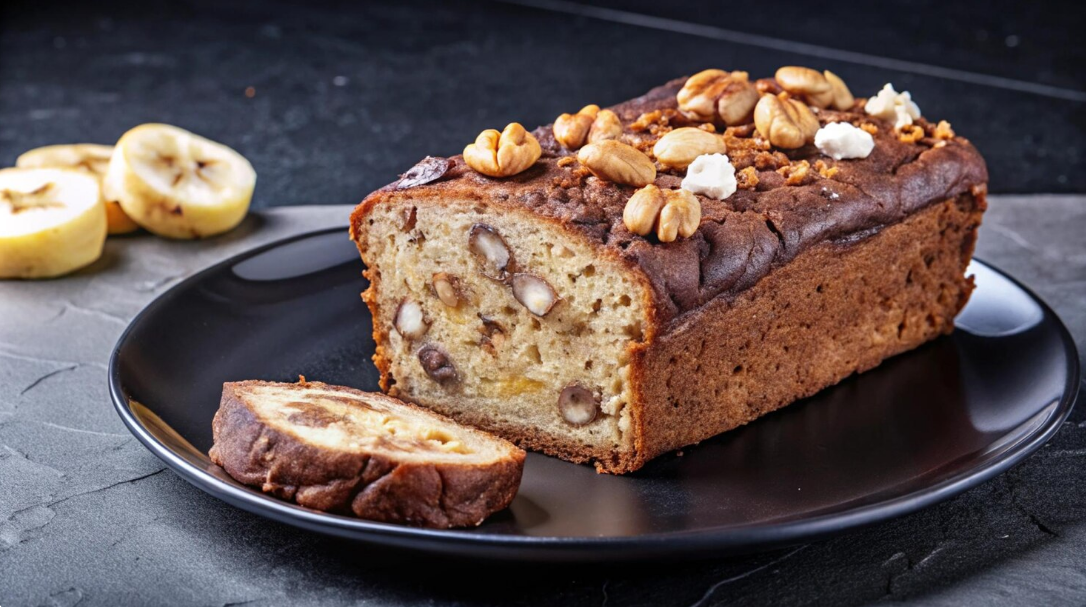
Banana bread is one of the easiest ways to turn overripe bananas into a comforting homemade baked treat. Julia’s best banana bread is a useful search topic for anyone looking for a dependable recipe with a moist texture, rich banana flavor, and a tender crumb. The key to successful banana bread is not simply following a list of ingredients; it also involves choosing properly ripened bananas, measuring ingredients accurately, mixing the batter gently, and baking it at the right temperature.
Whether you are a beginner baker or someone who regularly makes quick breads, understanding the techniques behind a good banana loaf can help you produce better results every time.
Why Banana Bread Is So Popular
Banana bread has remained a favorite homemade bake because it requires relatively simple ingredients and does not demand advanced baking skills.
It is especially useful when bananas become too soft to enjoy on their own. As bananas ripen, their flavor becomes sweeter and more pronounced, making them excellent for baking.
A typical banana bread contains:
- Ripe bananas
- Flour
- Sugar
- Eggs
- Butter or oil
- Baking soda or baking powder
- Salt
- Vanilla
- Optional spices or additions
The result is a soft quick bread that can be served for breakfast, as a snack, or as a simple dessert.
Choosing the Right Bananas
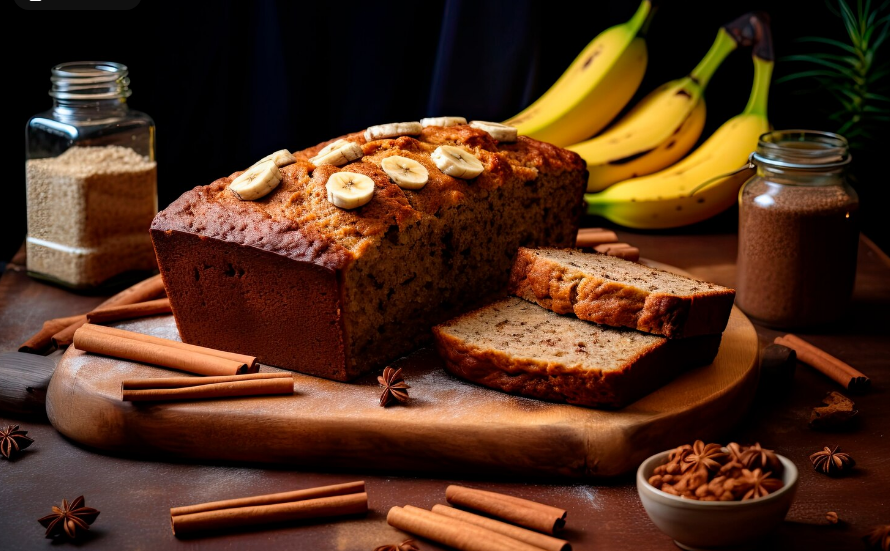
The bananas are arguably the most important ingredient.
For flavorful banana bread, choose bananas that are very ripe. Their peels should have developed numerous brown or dark spots, and the fruit should be soft.
Green or barely yellow bananas generally do not provide the same sweetness or concentrated banana flavor.
Why Overripe Bananas Work
As bananas ripen, their starches convert into sugars. This produces a sweeter flavor and softer texture.
Very ripe bananas also mash easily, allowing them to blend into the batter without requiring excessive mixing.
If you have bananas that are already past their ideal eating stage, banana bread can be an excellent way to use them rather than throwing them away.
Essential Ingredients
A basic banana bread recipe does not require an unusually long ingredient list.
| Ingredient | Main Purpose |
|---|---|
| Ripe bananas | Flavor, moisture and natural sweetness |
| All-purpose flour | Provides structure |
| Sugar | Adds sweetness and helps browning |
| Eggs | Provide structure and richness |
| Butter | Adds flavor and tenderness |
| Baking soda | Helps the loaf rise |
| Salt | Balances sweetness |
| Vanilla extract | Enhances flavor |
| Cinnamon | Adds warmth and spice |
The proportions can vary between recipes, but maintaining a reasonable balance between wet and dry ingredients is essential.
Preparing the Bananas
Start by peeling the bananas and placing them in a mixing bowl.
Mash them with a fork or potato masher.
The bananas do not need to become perfectly smooth. A few small pieces can provide additional texture and visible banana flavor throughout the loaf.
If the bananas contain a large amount of liquid, avoid adding unnecessary extra moisture to the recipe.
How Many Bananas Should You Use?
The amount depends on the recipe and the size of the bananas.
Using substantially more banana than the recipe calls for may produce a loaf that is overly dense or takes much longer to bake.
For consistent results, measuring mashed bananas by weight or volume is more reliable than simply counting bananas.
Preparing the Wet Ingredients
In a separate bowl, combine the wet ingredients.
Depending on the recipe, this may include:
- Melted or softened butter
- Eggs
- Mashed bananas
- Vanilla extract
- Milk or another liquid, if required
Mix until the ingredients are reasonably well combined.
If using melted butter, allow it to cool slightly before combining it with eggs. Very hot butter can affect the eggs and change the texture of the mixture.
Combining the Dry Ingredients
In another bowl, whisk together the dry ingredients.
These usually include flour, baking soda, salt, and any spices.
Mixing the dry ingredients separately helps distribute the leavening agent throughout the flour.
This is important because concentrated baking soda in one part of the batter can create uneven rising or an unpleasant taste.
Why You Should Not Overmix the Batter
One of the most important banana bread techniques is gentle mixing.
Once the wet and dry ingredients are combined, mix only until no large areas of dry flour remain.
Overmixing develops gluten, which can make quick bread tougher and more dense.
A few small lumps in the batter are usually preferable to aggressively mixing until it becomes completely smooth.
A Simple Mixing Sequence
- Prepare the mashed bananas.
- Mix the wet ingredients.
- Combine the dry ingredients separately.
- Add the dry mixture to the wet mixture.
- Fold gently.
- Stop mixing once the ingredients are incorporated.
- Add optional ingredients.
- Transfer the batter to the loaf pan.
This method helps protect the tender texture of the finished bread.
Choosing the Right Loaf Pan
A standard loaf pan is generally appropriate for banana bread.
The pan should be properly greased or lined with parchment paper to make removal easier.
Parchment can be particularly helpful because it allows you to lift the finished loaf from the pan without damaging the sides.
The size of the pan matters. Using a significantly smaller pan can make the batter deeper and increase baking time, while a larger pan can produce a flatter loaf.
Baking the Banana Bread
Preheat the oven before placing the loaf inside.
An oven that has not reached the correct temperature can affect rising and baking time.
Place the pan in the center of the oven where possible.
Avoid opening the oven repeatedly during the early stages of baking because sudden temperature changes can interfere with rising.
How to Tell When It Is Done
The top should be golden brown and firm.
A toothpick inserted into the center should come out clean or with a few moist crumbs attached.
If the toothpick comes out covered in wet batter, the loaf needs more baking time.
If the top is browning too quickly while the center remains undercooked, loosely cover the loaf with foil and continue baking.
Why Banana Bread Can Become Densei

Dense banana bread is one of the most common problems.
Several factors can contribute to it.
Too Much Banana
Extra banana adds moisture and can make the loaf heavy.
Too Much Flour
Packing flour into a measuring cup can result in excessive flour, producing a dry and dense texture.
Overmixing
Aggressive mixing can develop too much gluten.
Old Leavening Agents
Baking soda or baking powder loses effectiveness over time.
Incorrect Oven Temperature
An oven that is too cool may prevent the loaf from rising properly and can significantly extend baking time.
How to Keep Banana Bread Moist
Moisture is one of the defining characteristics of good banana bread.
Several techniques can help.
Use properly ripe bananas and follow the recipe’s wet-to-dry ingredient ratio.
Do not overbake the loaf.
Allow it to cool properly before storing it.
Some recipes use butter, oil, yogurt, sour cream, or other ingredients to contribute moisture and tenderness.
Oil can create a particularly moist texture, while butter contributes a richer flavor.
Adding Chocolate Chips
Chocolate chips are one of the most popular banana bread additions.
Semi-sweet chocolate works well because it provides sweetness without completely overpowering the banana.
Milk chocolate creates a sweeter result, while dark chocolate provides stronger contrast.
Fold the chocolate chips into the batter immediately before transferring it to the pan.
You can also sprinkle a small number of chips on top before baking.
Adding Nuts
Walnuts and pecans are classic additions.
Toast the nuts lightly before adding them if you want a deeper flavor.
Allow toasted nuts to cool before mixing them into the batter.
Chop them into relatively small pieces so they distribute evenly.
A combination of walnuts and chocolate chips can create a particularly rich variation.
Other Flavor Variations
Once you have mastered a basic loaf, there are many ways to customize it.
Cinnamon Banana Bread
Add ground cinnamon for a warm, bakery-style flavor.
Nutmeg Banana Bread
A small amount of nutmeg can add additional depth.
Coconut Banana Bread
Unsweetened shredded coconut can provide texture and a subtle tropical flavor.
Blueberry Banana Bread
Fresh or frozen blueberries can add fruitiness and color.
Peanut Butter Banana Bread
Swirling peanut butter through the batter can create a richer, nutty variation.
Streusel-Topped Banana Bread
A crumb topping can provide a crisp contrast to the soft loaf.
Making Banana Bread for Breakfast
Banana bread can be served as a breakfast item alongside coffee, tea, yogurt, or fresh fruit.
For a more balanced breakfast, pair a slice with a source of protein such as Greek yogurt, eggs, or nut butter.
The bread can also be toasted lightly and served with butter.
Serving Banana Bread as Dessert
Banana bread can easily become a dessert.
Serve a warm slice with:
- Vanilla ice cream
- Whipped cream
- Caramel sauce
- Chocolate sauce
- Fresh berries
- Peanut butter
- Cream cheese
A simple dusting of powdered sugar can also make the loaf feel more dessert-like without adding a heavy topping.
How to Store Banana Bread
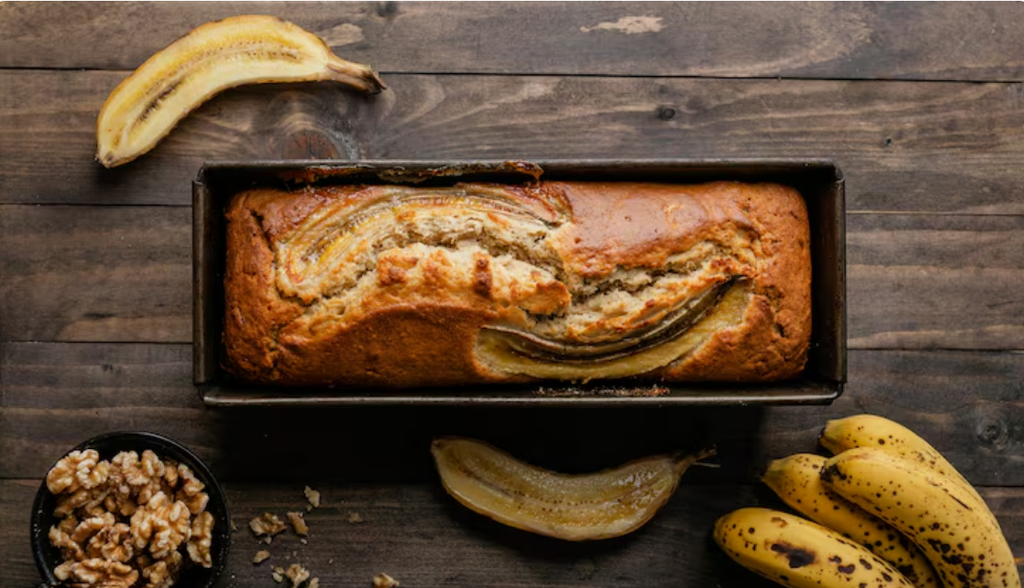
Allow the loaf to cool completely before storing it.
Wrapping warm banana bread can trap excess steam and make the surface unnecessarily damp.
For short-term storage, keep it tightly wrapped at room temperature.
For longer storage, individual slices can be wrapped and frozen.
Freezing slices is particularly convenient because you can remove only the amount you need.
Freezing Method
- Cool the loaf completely.
- Slice it into individual portions.
- Wrap each slice securely.
- Place the wrapped slices in a freezer-safe container or bag.
- Label with the date.
- Thaw at room temperature or warm gently before serving.
Common Banana Bread Mistakes
Using Unripe Bananas
This can produce weaker banana flavor and less natural sweetness.
Measuring Flour Incorrectly
Too much flour can make the loaf dry.
Overmixing
Mixing too aggressively can result in a tougher texture.
Overfilling the Pan
Too much batter can cause uneven baking or overflow.
Cutting It Too Soon
Freshly baked banana bread is delicate. Allowing it to cool makes slicing easier.
Overbaking
Even a few extra minutes can reduce moisture.
A Simple Banana Bread Workflow
For beginners, the following process is easy to remember:
Prepare → Mash → Mix → Combine → Fold → Bake → Cool → Slice
This approach keeps the process organized and reduces unnecessary steps.
The most important point is to avoid rushing the mixing stage. Once the flour is added, gentle handling is usually better.
How to Make the Loaf More Consistent
If you frequently bake banana bread, consistency becomes easier when you control a few variables.
Use the same loaf pan each time.
Measure bananas instead of relying only on banana count.
Use a kitchen scale for flour when possible.
Keep track of oven temperature and baking time.
Record successful ingredient combinations.
This makes it easier to reproduce a loaf you particularly enjoy.
Key Points to Remember
- Use very ripe bananas for stronger flavor and natural sweetness.
- Measure mashed bananas for more consistent results.
- Mix dry ingredients separately.
- Avoid overmixing after adding flour.
- Use the correct loaf pan size.
- Preheat the oven before baking.
- Check the center with a toothpick before removing the loaf.
- Do not overbake.
- Let the bread cool before slicing.
- Chocolate chips, nuts, spices, and fruit can create different variations.
- Proper wrapping helps maintain freshness.
- Individual slices can be frozen for convenient storage.
Final Thoughts
Great banana bread does not require complicated techniques or expensive ingredients. The most important elements are ripe bananas, accurate measurements, gentle mixing, proper baking, and patience while the loaf cools.
Once you understand these fundamentals, you can easily customize the recipe with chocolate chips, nuts, spices, berries, coconut, or other favorite ingredients. The same basic method can produce a simple breakfast loaf or a richer dessert-style bake.
Banana bread is also one of the most forgiving quick breads for beginner bakers. Even when the loaf is not perfectly shaped, the combination of ripe banana, warm spices, and a tender crumb can still produce a satisfying homemade treat.
FAQs
1. What bananas are best for banana bread?
Very ripe bananas with brown or dark spots are generally best because they are softer, sweeter, and more strongly flavored than underripe bananas.
2. Why is my banana bread dense?
Common causes include using too much banana or flour, overmixing the batter, using ineffective leavening agents, or baking at an incorrect temperature.
3. Can I add chocolate chips to banana bread?
Yes. Chocolate chips can be folded into the batter before baking. Semi-sweet, milk, and dark chocolate can all work depending on your preferred sweetness.
4. How do I keep banana bread moist?
Use properly ripe bananas, follow the ingredient proportions carefully, avoid overmixing, and do not overbake the loaf. Store it properly after it has cooled.
5. Can homemade banana bread be frozen?
Yes. Once completely cooled, banana bread can be sliced, wrapped individually, and frozen. Individual slices can then be thawed as needed.